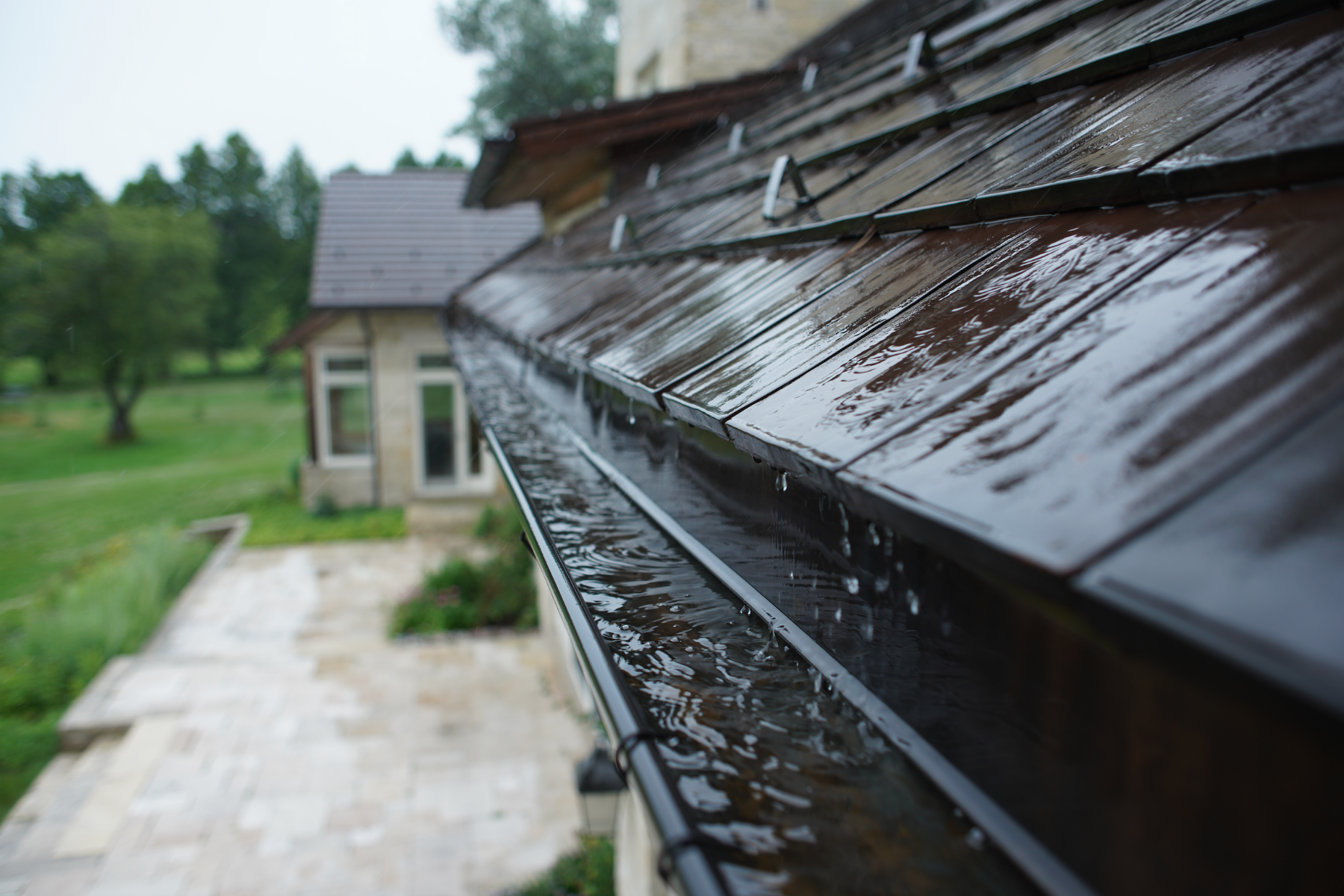
Most homeowners assume that once gutters are installed, the job is done. In reality, installation quality matters just as much as the gutters themselves. We often see homes around Metro Detroit with newer gutters that still don’t function properly during rainstorms — not because of the material, but because of how they were installed.
Improper installation leads to water damage, premature wear, and expensive repairs that could have been avoided. Here are the most common warning signs we see and why fixing them early makes a big difference.
Water Overflows During Rain!

Your gutters should handle rain without spilling over the edge. When water pours over during normal rainfall, the system isn’t doing its job.
In most cases, the problem comes from incorrect pitch, undersized gutters, or poor downspout placement. Water needs a clear path to move toward the outlets. When that path doesn’t exist, water backs up and spills over.
That overflow lands directly near the foundation, which increases the risk of erosion, basement leaks, and structural issues.
Gutters Hold Standing Water
After a storm, gutters should drain completely. If water sits in sections of the gutter long after the rain stops, the pitch is off.
Even a small pitch issue creates multiple problems. Standing water adds weight to the system, speeds up debris buildup, and increases the chance of sagging. Over time, that added stress shortens the lifespan of the gutters and the fasteners holding them in place.
This is one of the earliest signs of an installation issue, and it’s also one of the easiest to fix when caught early.
Gutters Sag or Pull Away From the House!
Sagging gutters don’t happen overnight. They develop when the system isn’t properly supported from the start.
We often see this when installers use not enough hangers, space them too far apart, or miss the solid structure behind the fascia. Once the gutter begins to pull away, water slips behind it instead of flowing through it.
That water slowly rots the fascia board and can turn a simple gutter correction into a much larger repair.
Water Runs Behind the Gutter System
If you notice water stains on siding or soft wood behind the gutters, the system likely wasn’t installed correctly under the drip edge.
When gutters sit too low or aren’t tucked properly beneath the roofline, water follows the roof down and runs behind the gutter instead of into it. Over time, that trapped moisture damages fascia, roof decking, and even the edge of the shingles.
This issue often shows up on rushed installs or jobs where corners were cut.
Leaks at Corners or End Caps!
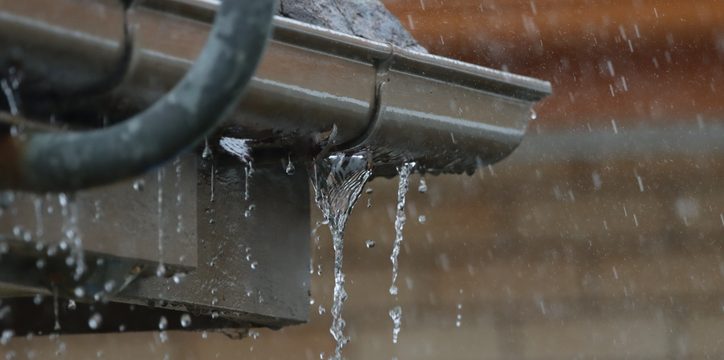
Seamless gutters should not leak. When they do, it usually points back to poor workmanship during installation, not normal wear.
Common causes include:
- Low-quality or rushed sealant application
- End caps that weren’t seated or secured correctly
- Misaligned corners putting stress on joints
Even small leaks matter. Left alone, they stain siding, damage landscaping, and slowly weaken the entire gutter system.
Downspouts Don’t Move Water Far Enough Away
Gutters only work as well as their downspouts. Even a perfectly pitched system will fail if water dumps too close to the home.
Downspouts need to move water several feet away from the foundation. When they don’t, water pools near the home and increases the risk of basement moisture and soil erosion.
This is a common oversight, especially on installs that focus more on speed than performance.
Why Proper Gutter Installation Matters!

Gutters protect far more than just the edge of your roof. When installed correctly, they control how water moves around your entire home.
A properly installed gutter system:
- Manages heavy rainfall without overflowing
- Drains fully after storms
- Stays tight to the home through wind, snow, and ice
- Reduces the risk of foundation and fascia damage
Poor installation might save time upfront, but it almost always costs more in the long run.
How J&A Exterior Approaches Gutter Installation
At J&A Exterior, we install gutters with long-term performance in mind. We size each system correctly, set the pitch intentionally, secure every section properly, and test water flow before we leave.
We’ve seen what happens when installs get rushed or shortcuts get taken. That’s why we focus on details that many companies overlook.
If your gutters overflow, sag, leak, or cause water issues around your home, an inspection now can prevent much bigger repairs later.
Sincerely,
The J&A Team!
📞 Call us at (248)-403-0281
📧 Email us at office@jaexterior.com
🌐 Visit our website at www.jaexterior.com
If you Enjoyed Please Share!
Recent Blogs
- Don’t Get Left in the Dark: Final Days to Schedule Your Christmas Light Installation
- Why Permanent Lighting Is Better Than Traditional Holiday Lights
- Are Gutter Guards Worth the Money?
- Signs It’s Time to Replace Your Gutters with Seamless Ones
- What’s Included in a Professional Holiday Light Installation
- Power Washing Your Home and Soft Washing Roof Services in Metro Detroit
- Our New Gutter Cleaning Packages – Choose What’s Best for Your Home
